
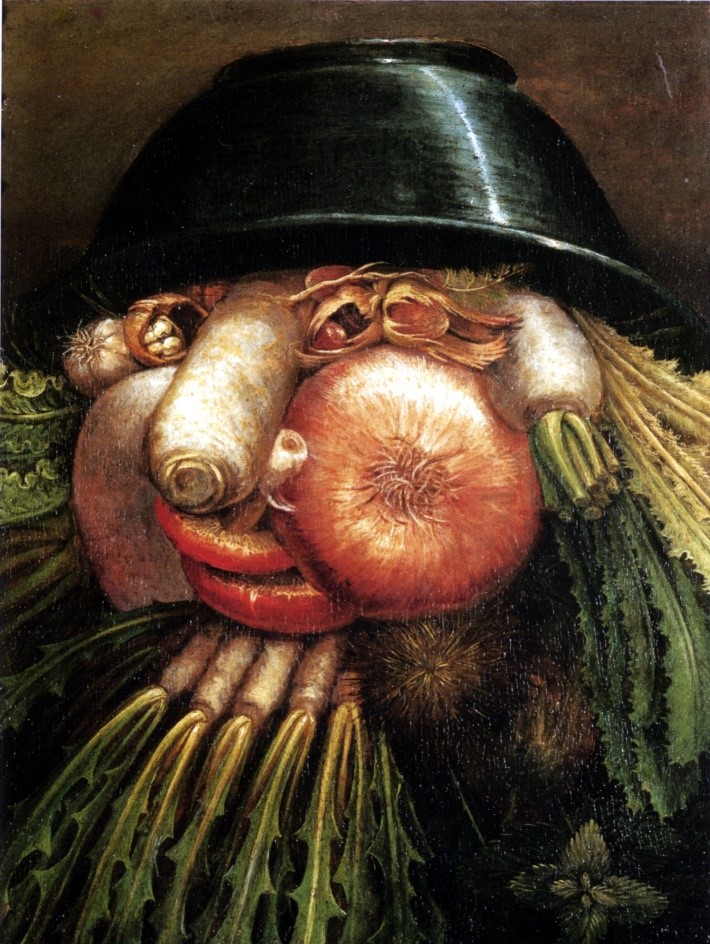
Visual hallucinations in Parkinson’s disease: towards better understanding and treatments
Parkinson’s disease is a common neurodegenerative disease, affecting more than 2% of people over 75, with estimated 7 to 10 million affected people worldwide. Although traditionally Parkinson’s disease (PD) is thought of
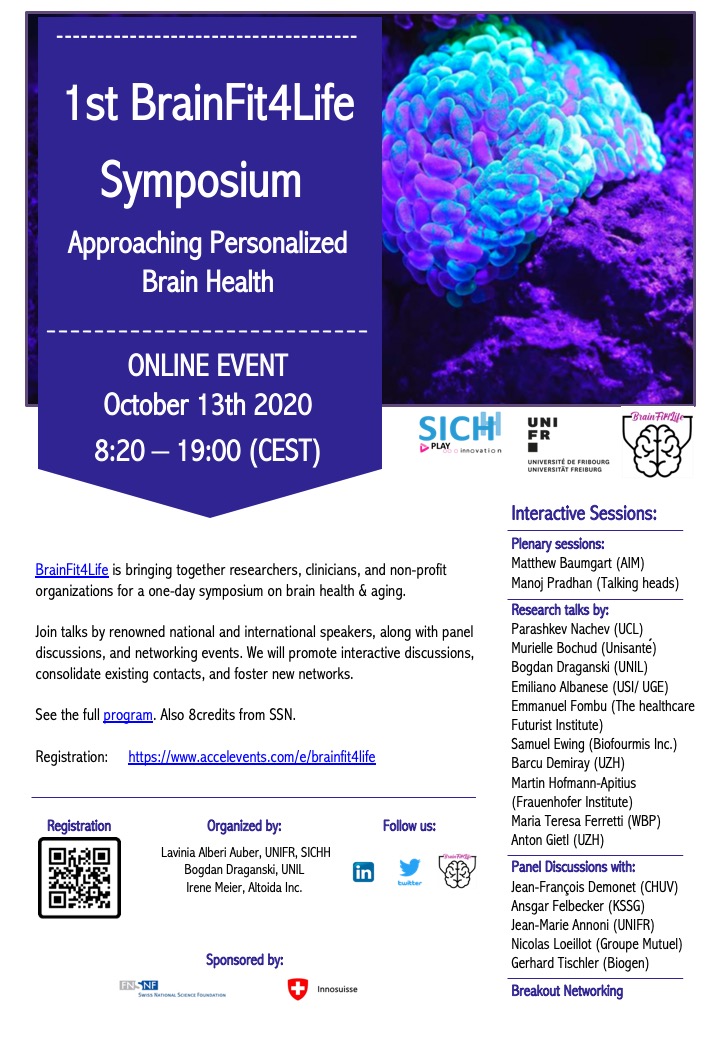
Event alert: BrainFit4Life Symposium – Approaching Personalized Brain Health
The first BrainFit4Life symposium: Approaching Personalized Brain Health will take place virtually on October 13th. At the BrainFit4Life symposium, there will be presentations by national and international speakers, experts in their respective health domains.

A Global Debate – Should Nursing Homes be Abolished? Perspectives from the World Young Leaders in Dementia
Recently our WYLD members attended a debate organised by Capacity Australia. The debate examined the need and relevance of nursing homes from an international perspective. The debate was Chaired by

Love is a powerful thing: the benefits of Grandchild Therapy
If you are a caring grandchild who enjoys spending time with your grandparents you are already a “Grandchild-therapy” practitioner. When we talk about certain practices – or habits – that benefit

It’s bloody fantastic: New blood tests for Alzheimer’s disease give us a window into the ageing brain
Standing in a half empty room – the majority being supportive colleagues – at the last session on the last day (referred to as the “grave-yard shift”) at the 2014

The impact of stigmatisation on the lives of people with dementia
“It seems that when you have cancer you are a brave battler against the disease, but when you have Alzheimer’s you are an old fart. That’s how people see you.

Dementia in Low and Middle Income Countries: How can technology aid diagnosis?
My grandmother was diagnosed with dementia in 2016, aged 84, and declined significantly in the spring of 2017. In the first consultation with her General Practioner, he simply told her that

A Knowledge Broker: Research in Dementia-Enabling Environments
As international and cross-cultural projects in the dementia care continue to increase, there is a growing need to ensure that evidence-based best practices can be translated, shared and culturally implemented

Why is the Netherlands one of the best places to grow old?
It all started with the dream of going to HogeweyK, or “Dementia Village” as it became known. The Dutch organization has become famous all over the world for being a designed village

Being a World Young Leader in Dementia: a journey from Nigeria to France
Over the last 7 years, I have held a post-doctoral position at the King’s Global Health Institute (UK). I co-ordinated research with the 10/66 Dementia Research Group and contributed to review and synthesize
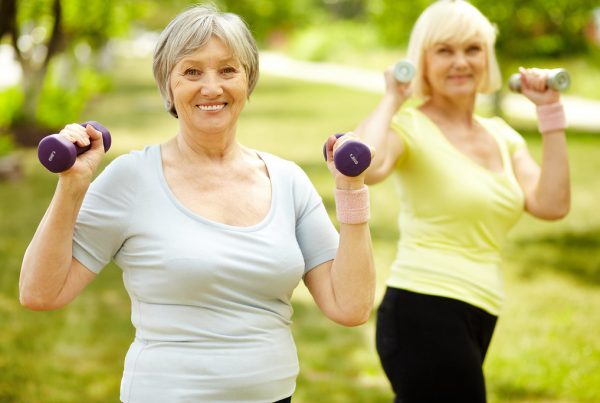
Promoting cognitive health through physical activity and sleep: Preliminary answers and future directions
As there is still no cure for dementia, it is vital that we consider ways to prevent and reduce peoples’ risk of developing dementia. Lifestyle strategies offer the only readily available
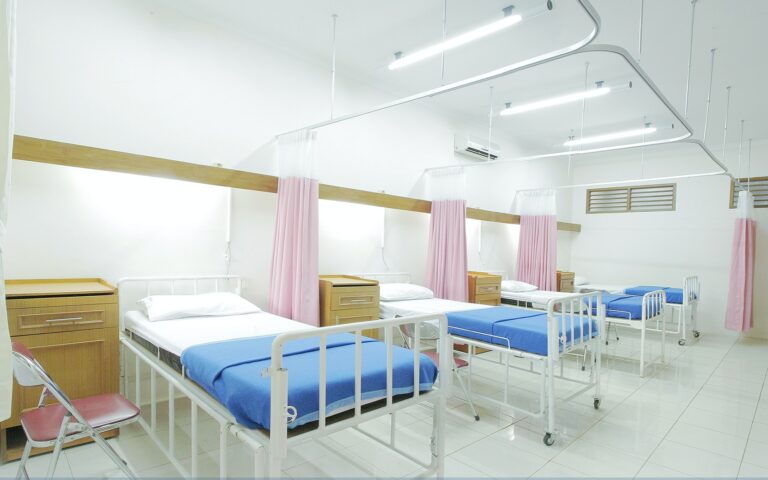
Re-evaluating nursing home designs in Asia in the face of COVID-19
In light of recent events, care of residents living with dementia in nursing homes has been in the spotlight as people come to grips with the tragedies surrounding nursing homes
Can scientists improve how they diagnose dementia with Lewy bodies?
Dementia conditions are very common, presenting in around 7% of people over the age of 65. Despite this, accuracy of dementia diagnosis can be poor, with the causes of dementia often
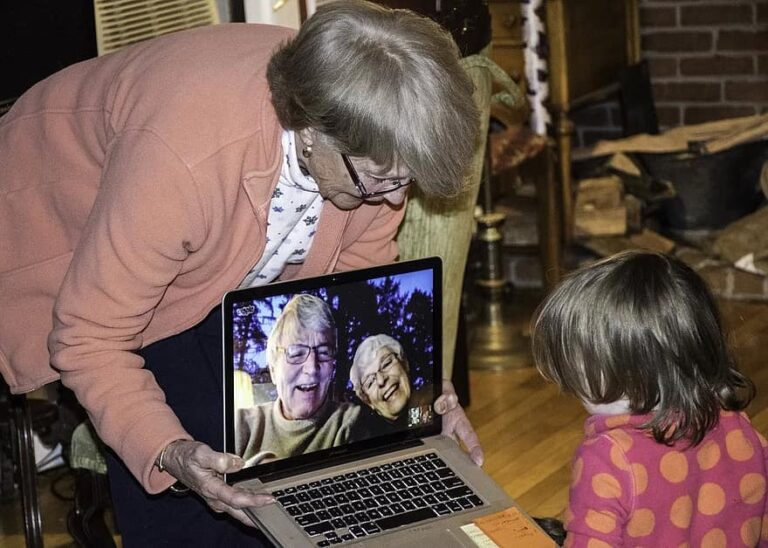
Recognising technology needs among older adults and people with dementia
When was the last time you did not use any technology for a whole day? Technology is one of our ‘best friends’. As it becomes smaller, more automatic, and better
The outlook of a mild cognitive impairment diagnosis: disease-specific symptoms may forewarn of decline
For each person living with a dementia diagnosis, the journey can be very different, and no two stories are the same. The particular everyday difficulties one encounters can vary enormously, from