
Early-career researchers play a critical role in shaping the future of dementia research and care. However, for many based in low- and middle-income countries (LMICs), professional development and leadership opportunities remain limited by structural barriers.
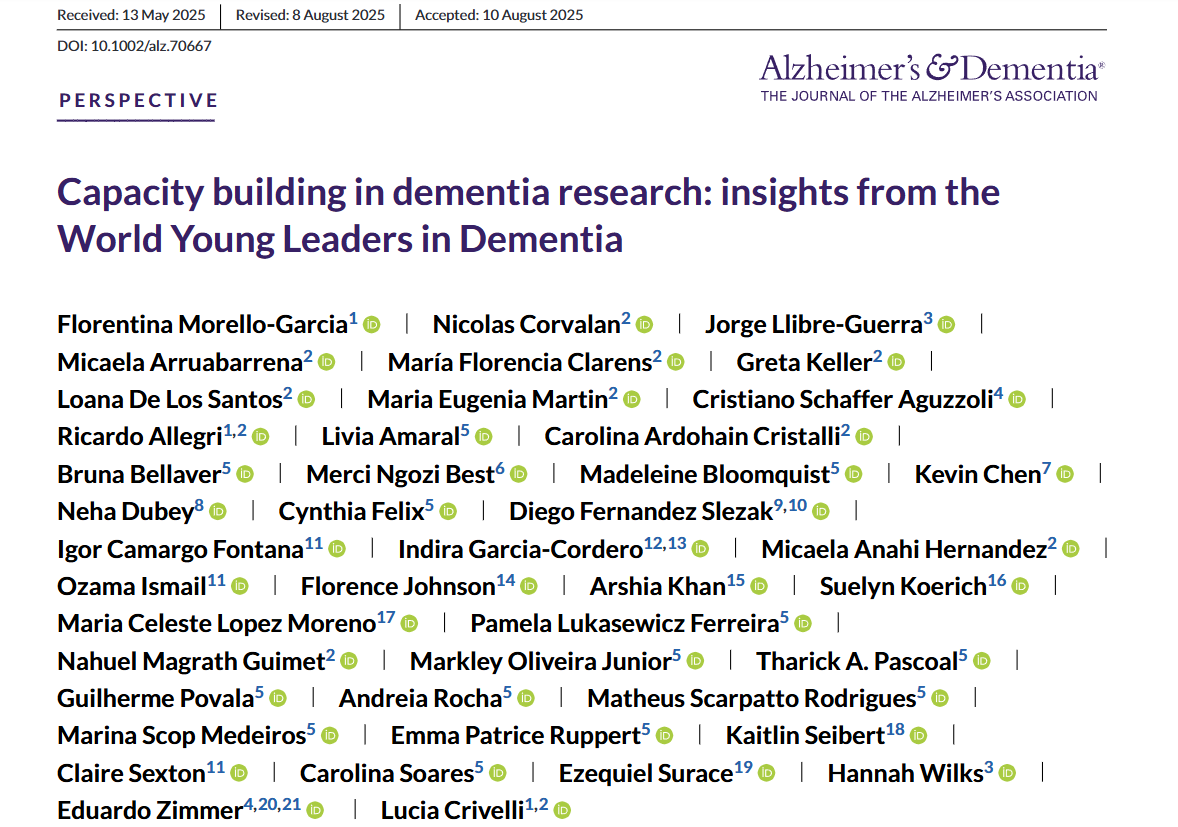
As part of its ongoing commitment to supporting young leaders, the World Young Leaders in Dementia (WYLD) conducted a global survey of 130 researchers across 17 countries and led a leadership-focused session at the Alzheimer’s Association International Conference (AAIC) 2024. This initiative aimed to better understand the challenges faced by early-career professionals and identify priority areas for capacity building.
Key findings
WYLD global survey
The survey results highlight significant structural challenges faced by early-career dementia researchers:
- 57.7% indicated limited access to essential research infrastructure and equipment.
- 52.3% reported that scientific research is underdeveloped or not prioritized in public policy within their countries.
- 80.7% identified limited or nonexistent funding sources as a major barrier.
- 64.6% reported restricted access to training opportunities.
Leadership and capacity building
In addition, participants also identified key competencies required to lead in dementia research:
- Building collaborations and multidisciplinary teams
- Communicating effectively
- Engaging with communities
- Influencing local policy decisions
- Taking a strategic approach to funding and institutional challenges
Where capacity building is happening
Despite these barriers, researchers also highlighted key environments that support growth:
- Research teams as training hubs (e.g., group meetings, seminars, peer mentoring)
- International collaborations that provide access to expertise and resources
- Professional networks and societies offering mentorship and shared learning spaces
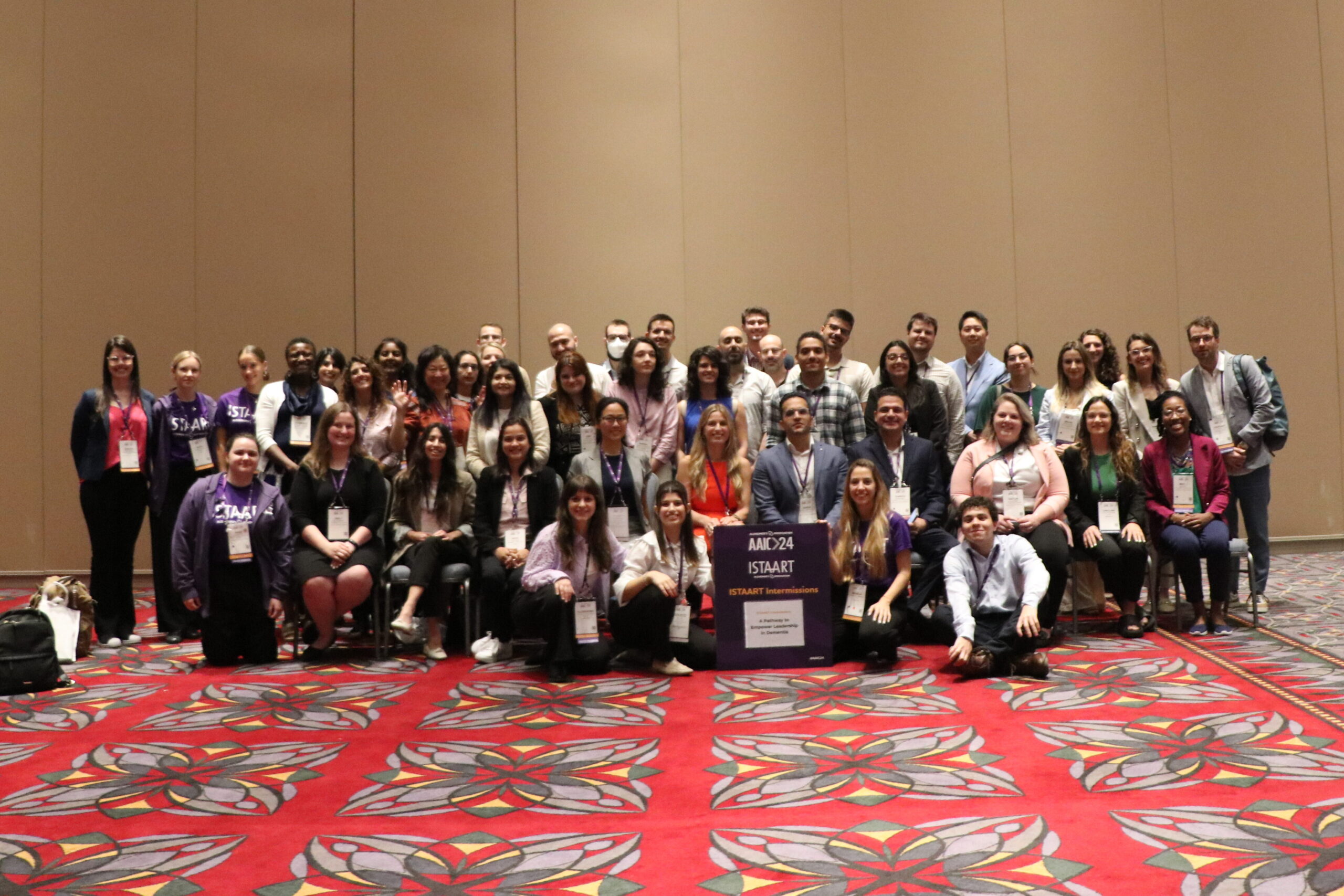
Supporting early-career researchers is essential not only for their professional growth but also for ensuring innovation, diversity, and sustainability in dementia research.
Read the full article to explore the findings in depth and understand what is needed to build the next generation of dementia research leaders.
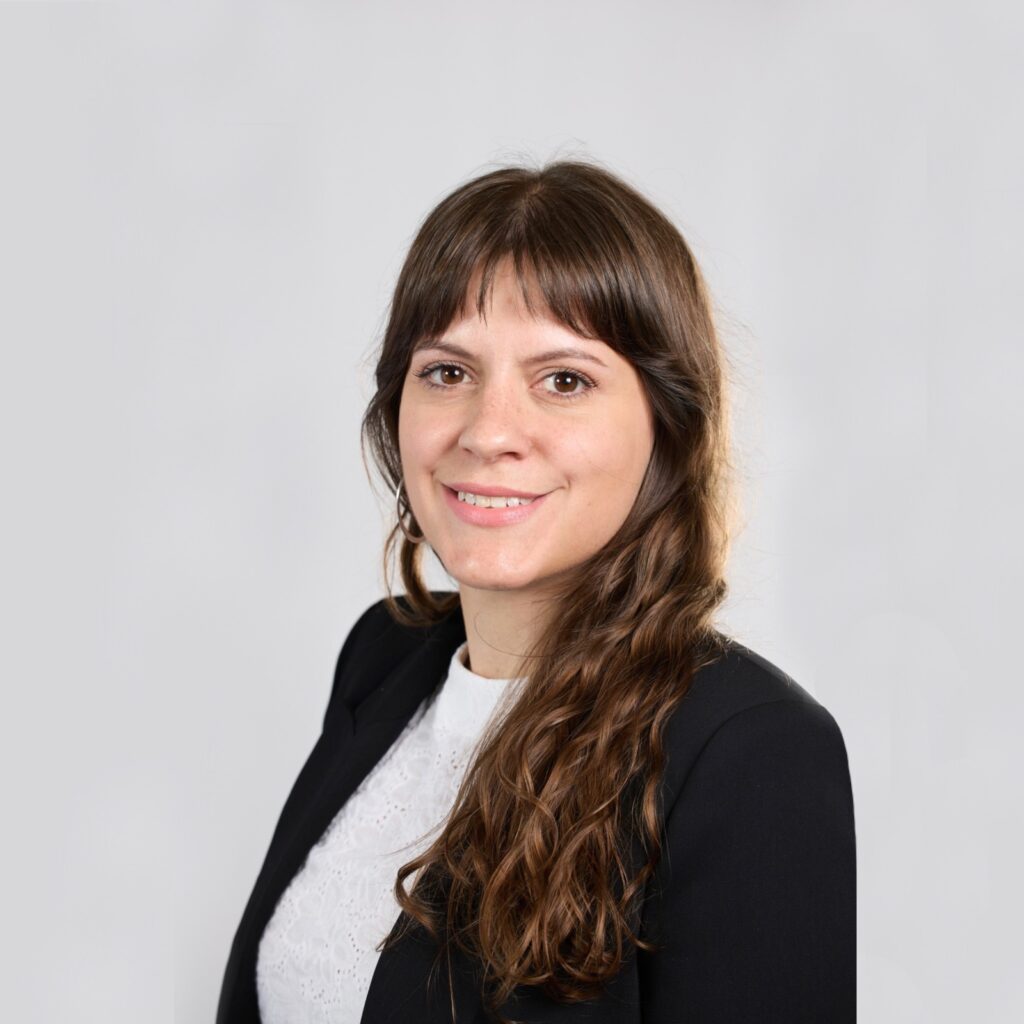
Florentina Morello-García, PhD, Neuropsychologist, currently works as a Postdoctoral Scholar at the Memory and Aging Center, University of California, San Francisco (UCSF). Her work focuses on cognitive and behavioral deficits in adults with brain lesions, particularly language impairments associated with neurodegenerative diseases. She completed a postdoctoral fellowship at the Institute of Neurosciences (INEU), Fleni–CONICET, and earned her PhD from the University of Buenos Aires (UBA), where she also specialized in Clinical Neuropsychology. In addition, she has teaching experience at both UBA and Universidad de San Andrés, and is currently a member of the Executive Committee of the Argentine Society of Neuropsychology (SONEPSA).
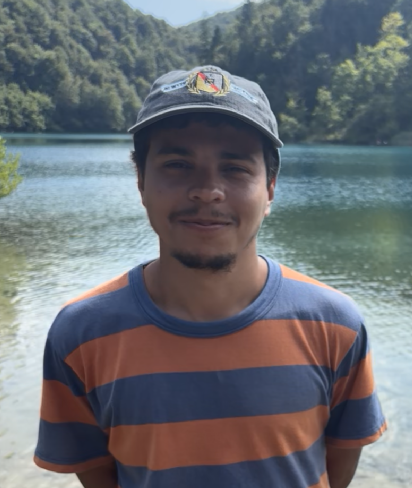
Nicolás Corvalán, M.Sc., is a neuropsychologist and currently a doctoral student in Medical Sciences at the University of Buenos Aires (Argentina). His work focuses on the estimation of cognitive networks using graph-based mathematical models and on the study of cognitive differentiation and dedifferentiation processes. He is a professor of cognitive science at the University of San Andrés (UDESA, Argentina).